
Why sustainability skills in construction are in demand
- March 23, 2026
- Posted by: construction
- Category: Resume News
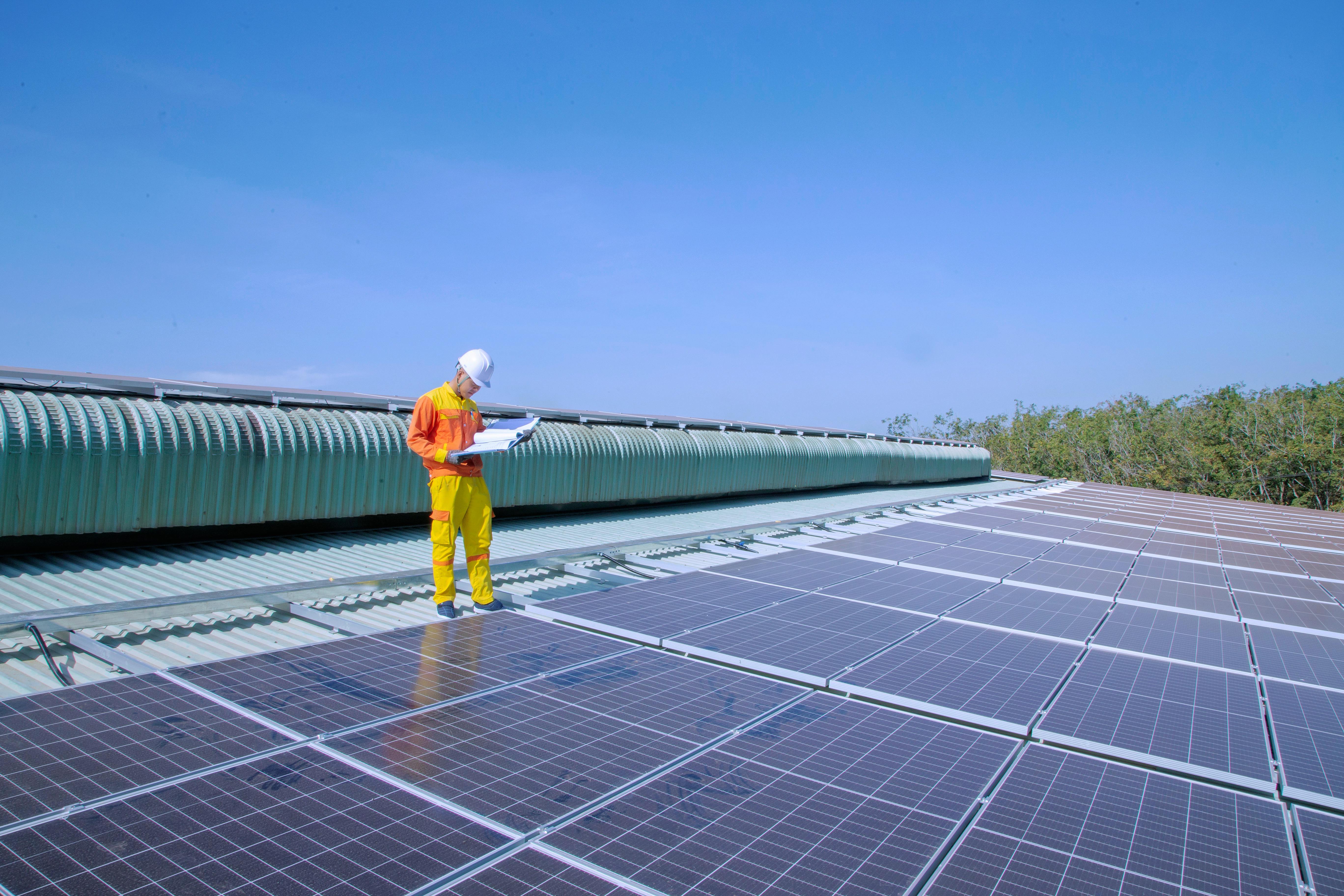
Sustainability in construction is viewed as increasingly important. Australians who upskill in sustainability can increase their salary by up to 13 per cent. This has been driven by an increased government focus on sustainability, alongside new regulations that are reshaping how industries operate. In construction, these changes are creating new demands for workers with knowledge of energy efficiency, sustainable construction materials and modern building practices. As a result, jobseekers who develop these skills are likely to have a competitive advantage in the job market.
So, what opportunities has this created?
Why sustainability skills are in demand
To understand where these opportunities are coming from, it’s important to look at the key changes driving demand. These include policy shifts, new regulations and broader industry trends across the construction sector.
New sustainability reporting requirements
Previously, the hiring of sustainability managers in the construction industry was often seen as a ‘tick-the-box’ exercise. However, new reporting requirements have led these roles to be taken more seriously.
In 2025, the government introduced requirements for Australian companies to include sustainability reporting in their annual reports. This means construction firms must ensure their practices align with sustainability goals, such as reducing waste and using more energy-efficient materials.
Changes to the National Construction Code
Changes to the National Construction Code in 2025 have also seen stricter energy efficiency requirements for new builds and major renovations. This includes improved thermal performance, insulation and HVAC systems. As a result, construction workers with knowledge of energy efficient and sustainable practices are in higher demand.
Increased investment in renewable energy projects
Increased government investment in sustainability is also playing a growing role. The government is increasingly investing in wind, solar and hydrogen projects. This has created a pipeline of roles for engineers, project managers and skilled tradespeople.
What does this mean for construction workers?
While wages have not yet increased across all roles, experts say the growing demand for sustainability-based skills is likely to drive higher salaries over the next 18 months. In particular, tradies who can convert existing power systems to renewable energy are expected to command high salaries.
Demand for these roles is global, giving workers the power to negotiate higher salaries.
With green skills becoming more important to employers, those without them risk being left behind. As demand continues to grow, upskilling in areas such as energy efficiency and sustainable building practices can help workers remain competitive in the job market.
Construction workers looking to upskill should speak with their employer to identify which areas will be most valuable as industry requirements continue to evolve.
For those considering a career change, experts say the growing focus on sustainability is expected to drive job opportunities in the construction industry for the next 10 to 20 years.
As sustainability continues to reshape the construction industry, employers are placing greater value on candidates who can demonstrate relevant skills and experience in this area. Highlighting your knowledge of energy efficiency, sustainable materials and modern building standards can help you stand out. Ensuring your resume reflects these in-demand capabilities is an important step towards securing your next opportunity.
Are you looking for a new career? Construction Resumes can help. We are pleased to offer various services including our resume writing service and cover letter writing service.
Article References
Ahwhan, L (August 4 2025) ‘Companies paying workers up to $13,000 more for green skills amid huge sustainability shortage’, Herald Sun, accessed 23 March 2026.
Banks, A (28 October 2025) ‘Australia’s future workforce: the power jobs leading the way’, The Australian, accessed 23 March 2026.
Cochrane-Leahy (n.d) ‘Navigating Australia’s Construction Law Reforms in 2025: Key Insights for Industry Professionals’, Cochrane-Leahy, accessed 23 March 2026.