
A guide to Australian building standards and how to meet them.
- November 19, 2024
- Posted by: construction
- Category: Resume News
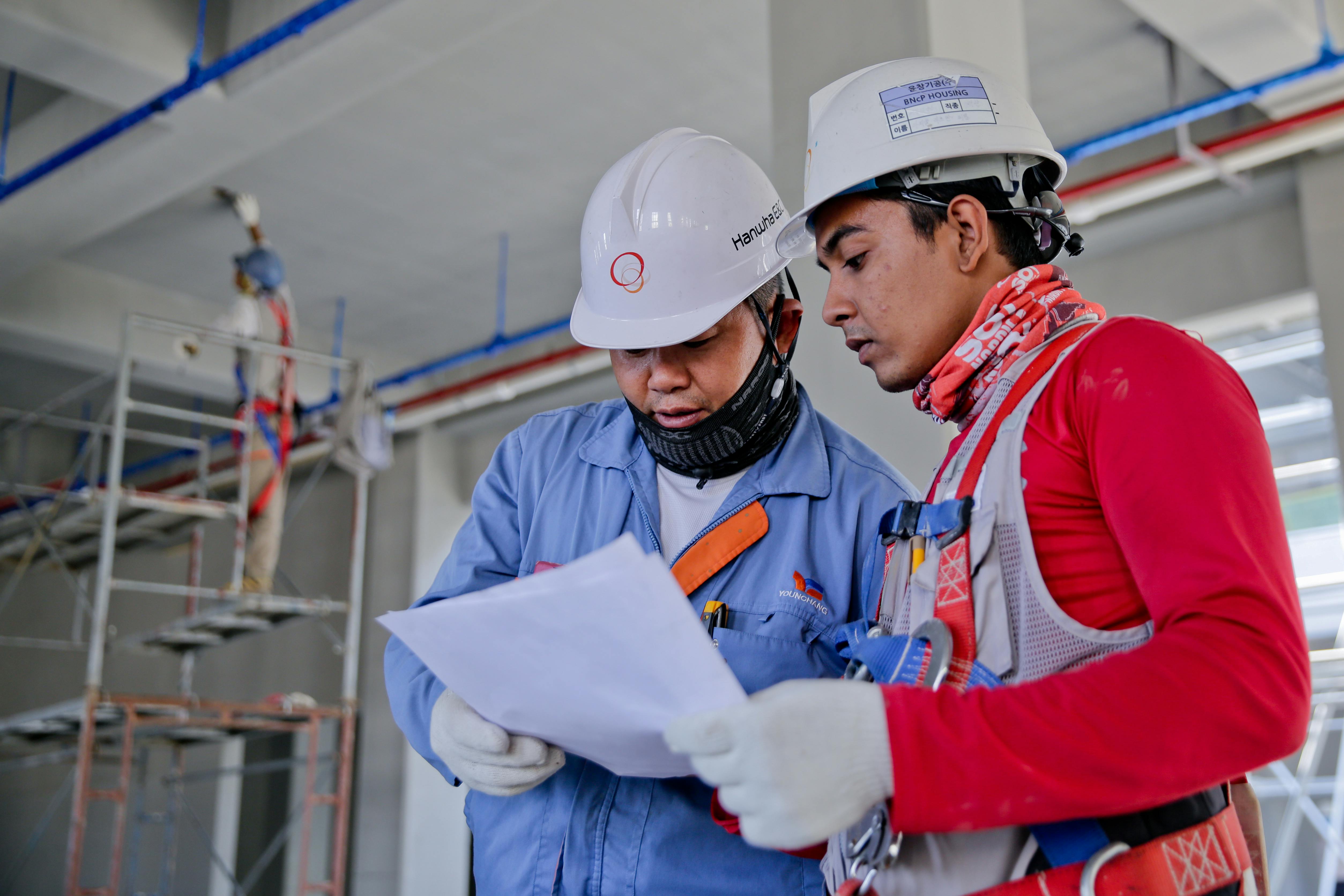
Complying with building codes in Australia can be a challenge, especially since they are updated on a regular basis.
However, building codes play a vital role in ensuring the safety and efficiency of buildings. Failure to comply with the codes can lead to legal issues and affect the quality and safety of construction.
So how can you ensure you comply with Australia’s building code?
We provide a guide to navigating Australia’s building standards.
The Building Code Of Australia is the primary regulatory framework for building in Australia. It forms part of the National Construction Code, which also includes the Plumbing Code Of Australia.
The Building Code Of Australia applies throughout Australia and sets out minimum standards for the design, construction and performance of buildings. It applies in two volumes.
· Volume one applies to multi-residential, commercial, industrial and public buildings
· Volume 2 applies to houses, townhouses, sheds, carports and garages
Key focuses of the code
There are several areas the code focuses on. These are:
Structural safety
This part of the code ensures that buildings can withstand various loads and forces without failure.
As part of this builders must consider
- Load-bearing capacities: Foundations, beams, columns, and other structural elements must be designed to support expected loads.
- Wind and earthquake resistance: Buildings should be designed to withstand local wind conditions and seismic activities.
- Materials: Materials used in construction must meet Australian Standards for durability and strength.
Fire Safety
Fire safety regulations help facilitate safe evacuation, and minimise property damage. Under the code buildings must:
- Use fire-resistant materials: Buildings must be constructed using materials that reduce the spread of fire.
- Include fire detection and alarms: Installing smoke detectors, fire alarms, and sprinkler systems.
- Feature evacuation routes: Ensuring clear, accessible paths for emergency evacuation.
- Consider Fire compartmentation: Creating fire-resistant barriers to contain fire within specific areas.
Energy efficiency
Under the code, buildings must meet energy efficiency standards to minimise environmental impact. Requirements focus on:
- Insulation: Buildings should contain adequate insulation in walls, roofs, and floors.
- Glazing: Designs should include energy-efficient windows to reduce heat loss/gain.
- Heating and cooling systems: Heating and cooling systems should maximise efficiency
- Lighting: Energy Efficient Lighting Solutions should be used.
Accessibility
Under the code, buildings must meet certain accessibility standards. These include
- Ramps and lifts: Buildings must include alternatives to stairs for wheelchair users.
- Doorways and corridors: Design should ensure sufficient width for easy movement.
- Sanitary facilities: Buildings must feature accessible bathrooms and toilets.
Health and amenities
These ensure buildings provide a safe and comfortable environment. Key features include:
- Ventilation: Design must include adequate airflow to maintain indoor air quality.
- Lighting: Buildings must provide sufficient natural and artificial lighting.
- Acoustics: Designs should minimise noise pollution within and between buildings.
- Sanitation: Buildings should include waste disposal and hygiene facilities.
Obtaining building permits
Permits must be obtained from local council or a private certifier. To obtain a permit you must:
- Submit detailed plans: Including site plans, floor plans, elevations, and structural details.
- Demonstrate compliance: Showing how the design meets BCA requirements.
- Pay fees: Covering administrative and inspection costs.
Inspections and approvals
Throughout the construction process, inspections are regularly undertaken to ensure projects comply with the code and plans. Inspections commonly check the following areas:
- Footing and foundation: Ensuring proper excavation, reinforcement, and concrete work.
- Frame: Checking the structural frame for alignment and stability.
- Lockup: Verifying external cladding, windows, and doors are installed correctly.
- Final: Conducting a comprehensive inspection before issuing an occupancy certificate.
Occupancy Certificates
An occupancy certificate is required before a building can be legally occupied. It confirms that the building is safe and suitable for use. To obtain an occupancy certificate, builders must:
- Complete all required works: Ensuring all aspects of construction meet code standards.
- Submit documentation: Providing compliance certificates for electrical, plumbing, and other services.
- Pass a final inspection: Conducted by the local council or private certifier.
If you are a builder and need help understanding the building code, you can consult with an expert such as an architect, engineer or building consultant.
Understanding and complying with Australia’s building codes can be challenging at times. However, failure to comply can lead to severe consequences, so the risk isn’t worth it.
Construction Resumes can help you achieve your goals in the construction industry. We are pleased to offer various services including our resume and selection criteria writing service.
Article References
NSW Fair Trading (n.d) ‘National Construction Code‘, NSW Fair Trading, accessed 15 October 2024
Wunderbuild (21 June 2024) ‘Navigating Australia’s Building Codes: A Comprehensive Guide for Builders‘, Wunderbuild, accessed 15 October 2024