
Will a rise in renovations jeopardise our housing targets?
- December 24, 2024
- Posted by: construction
- Category: Resume News
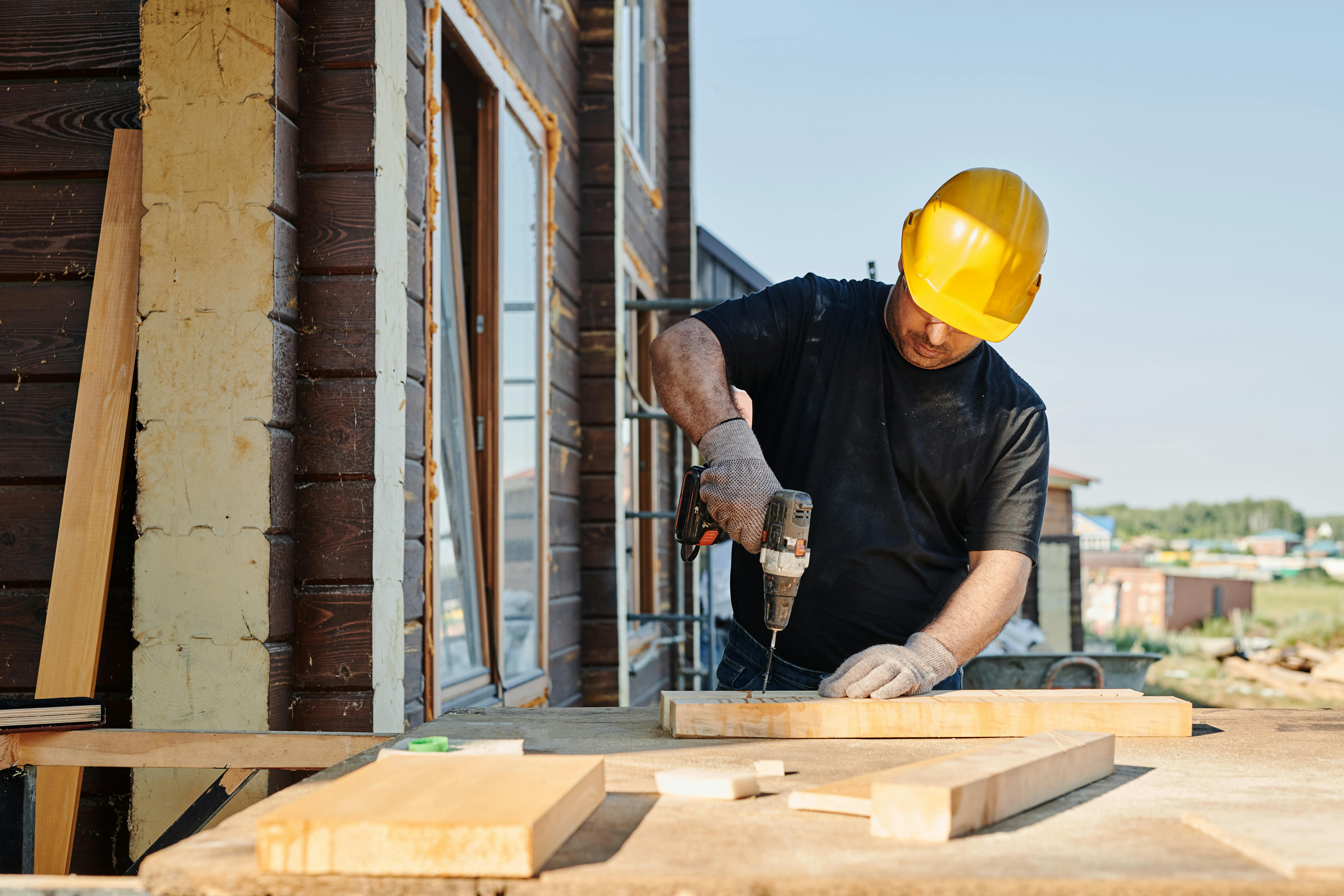
With 120,000 Australians currently experiencing homelessness, it’s clear Australia needs to build more homes. Earlier this year, the Federal Government announced the National Housing Accord, which pledges that 1.2 million new homes will be built by 2029, with a specific target of new homes set for each state.
However, a rise in renovations and a decrease in the number of properties being built on each block are jeopardising these efforts.
So, what is behind these trends and how can we address them?
Rise in renovations at the expense of new home builds
Analysis from KPMG reveals that renovation spending has boomed as new home construction has reached a 40-year low over the last five years. Private residential construction per capita is at its lowest level since 1987. In 2023-24, private residential construction spending was 14 per cent lower than five years earlier, while spending on home renovations increased by 6.5 per cent over the same period. Renovation spending now makes up 40% of total residential construction, up from 34% in 2018-19.
This has led to concerns Australia isn’t doing enough to address its housing shortage.
What is causing this trend?
Despite the government’s ambitious commitment to build more homes, experts say not enough money and resources are being put into increasing Australia’s housing supply.
More straightforward planning processes and lower risks for builders make renovating houses a preferred option over building new ones.
The COVID-19 pandemic also significantly altered lifestyle preferences, leading to a surge in demand for larger and better homes. This shift in demand has contributed to a significant increase in home renovations.
The rise of one-for-one replacements
However, an increase in home renovations is not the only trend that is threatening Australia’s efforts to increase its housing supply. Placing further pressure on Australia’s housing market is the rise of one-for-one replacements. This occurs when a detached home is demolished and replaced with a single new dwelling. Ten per cent of all residential construction is made up of one-for-one replacements, with this figure rising to 12 per cent in Victoria. In 2021-22, one-for-one replacements comprised 20 per cent of all new residential construction in Victoria and New South Wales.
High property prices in inner city and coastal areas make one-for-one replacements a commercially attractive option.
However, experts say shifting labour and materials away from one-for-one replacements to higher-density developments would go a long way to addressing Australia’s housing shortage.
What are some possible solutions?
The key to addressing Australia’s housing shortage is encouraging homeowners to shift away from one-for-one replacements and build multiple properties on their block instead to increase the housing supply.
Experts say that local councils and state governments should adjust planning settings to encourage investment in housing density rather than one-for-one replacements.
In the inner city, restrictive planning practices and heritage regulations currently discourage developers from adding more than one property on a block.
It’s clear that urgent measures are required to stimulate residential construction if Australia is to effectively tackle the housing shortage it currently faces.
Are you looking for a new career? With demand for construction only increasing, there’s never been a better time to consider a career in construction.
For those looking for a career in construction, Construction Resumes can help. We are pleased to offer various services, including our LinkedIn profile writing and selection criteria writing service.
Article References
Bleby, M (27 November 2024) ‘Renovations boom while new builds stall’, Financial Review, accessed 24 December 2024.
KPMG (27 November 2024) ‘Renovation Domination: decline in new builds while home renovations surge’, KPMG, accessed 24 December 2024.
Mansfield, E (24 March 2024) ‘90,000 extra construction workers needed for goal of 1.2 million new homes, industry says’, ABC News, accessed 24 December 2024.
The Guardian (27 November 2024) ‘New home construction slumps to near 40-year low in Australia as renovation spending booms’, The Guardian, accessed 24 December 2024.