
The key challenges women in construction face
- February 22, 2026
- Posted by: construction
- Category: Resume News
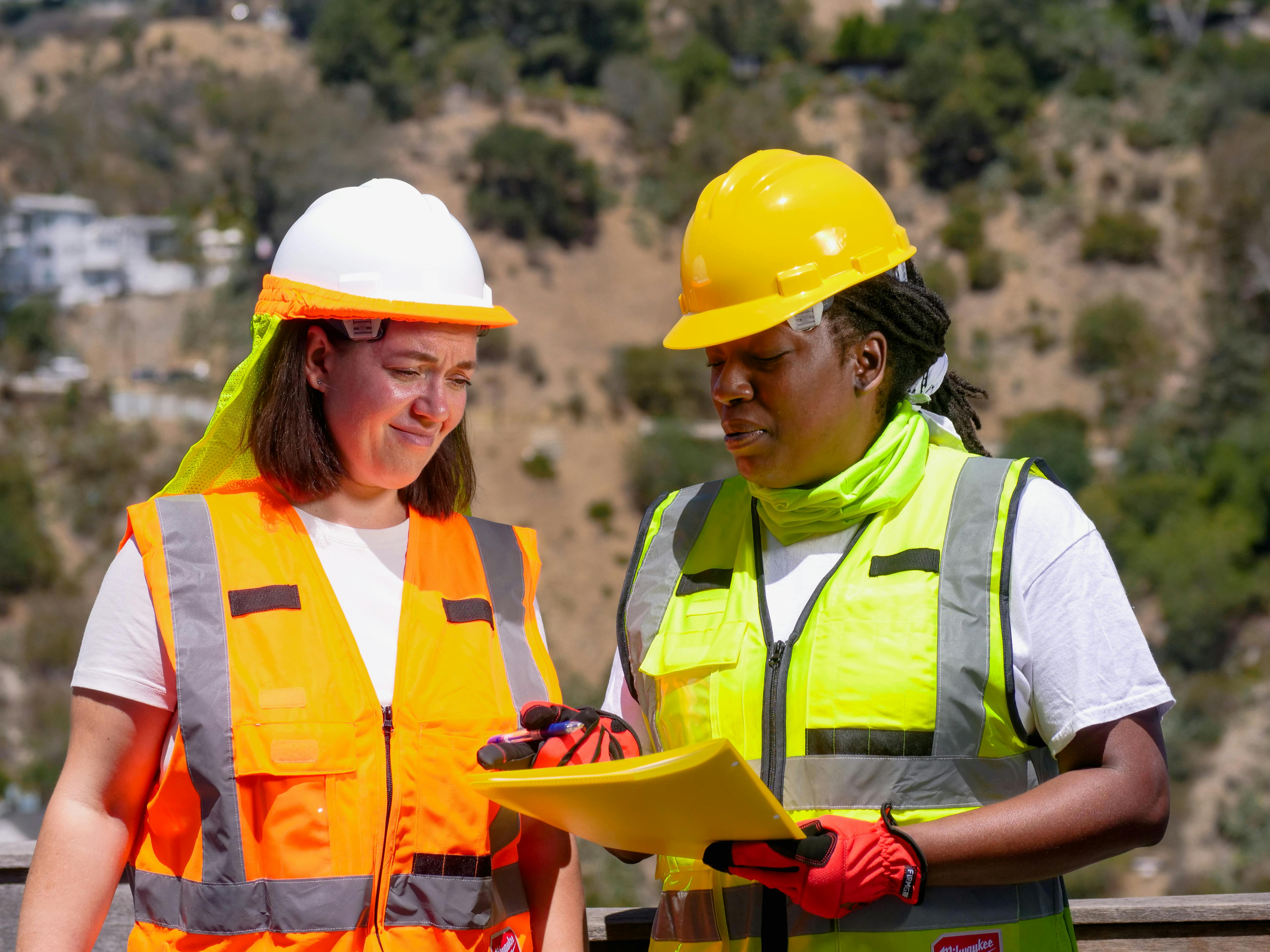
Women currently make up just 3 to 4 per cent of workers in skilled trades across Australia. While this figure has remained largely stagnant for years, there has been an 80 per cent increase in female apprentices since 2019. This suggests interest in construction careers is growing.
This challenges the long-held assumption that women are simply not interested in working in construction. Instead, experts argue the real issue lies in construction industry culture, structural barriers and gender inequality within the industry.
Despite more women entering apprenticeships, many are not staying long term. Industry leaders say retention — not recruitment — is one of the biggest challenges, with female construction workers often leaving due to the obstacles they face on site.
So, what are some of the key challenges women in construction encounter?
Why is it important to encourage more women into the construction industry?
Encouraging more women into construction is widely seen as critical to addressing Australia’s growing skills shortage. Industry forecasts suggest the country will need an additional 90,000 construction workers by 2029 to meet Australia’s housing targets.
At the same time, Australia is expected to require a further 42,000 workers by 2030 to deliver major energy and infrastructure projects. Without expanding the talent pool, meeting these ambitious housing and energy goals will become increasingly difficult.
Attracting and retaining more women is therefore not just an equity issue — it is an economic necessity.
What are some of the challenges women in construction face?
Lack of adequate facilities
One of the industry’s most frequently raised barriers is the lack of access to appropriate female toilets and change rooms on construction sites.
Gaynor Maree is the Electrical Trades Union’s women’s officer. She says the issue goes beyond basic amenities and reflects broader cultural challenges within the industry.
“It’s about people feeling included and like they belong,” she told the ABC.
“If facilities aren’t provided and maintained to support all workers, workers will feel excluded, which always makes it harder to do the job.”
The absence of adequate facilities not only creates practical difficulties, but can also reinforce the perception that women are not fully considered or supported on site.
Sexual harassment
Sexual harassment remains a significant issue within the construction industry. A study found that 53 per cent of female construction workers in New South Wales have experienced sexual harassment at work.
A further 71% of women working for small construction businesses reported experiencing gender-based discrimination at work.
This can range from sexualised comments and inappropriate jokes to more serious forms of misconduct. Many women report feeling uncomfortable or unsafe on site.
In some cases, incidents go unreported due to fears of backlash, damage to career prospects or being labelled as “difficult”.
Addressing workplace culture and ensuring clear reporting pathways are essential to improving retention and creating safer environments for women.
While challenges remain, the construction industry is increasingly recognising the value women bring and is becoming more welcoming and inclusive. With strong demand for skilled workers across housing and energy projects, there has never been a better time for women to consider a career in construction. For those ready to enter the industry a strong, professionally written resume can help you stand out in a competitive market.
Are you looking for a new career? Construction Resumes can help. We are pleased to offer various services including our resume writing service and cover letter writing service.
Article References
Flemming, T (17 February 2026) ‘Tradies consider leaving careers over lack of onsite toilets’, ABC News, accessed 23 February 2026.