
The Benefits of Gender Diversity: Encouraging More Women into the Construction Industry
- July 30, 2024
- Posted by: construction
- Category: Resume News

The need for more housing in Australia is well understood. Australia currently has a chronic lack of housing, with 120,000 people experiencing homelessness. Waiting lists for social housing is at record levels. In response, the Albanese government announced the National Housing Accord last year. The Housing Accord includes a plan to build 1.2 million new homes in Australia by 2029, with a specific target of new homes to be built in each state. However, many in the construction industry are concerned we do not have the workforce to meet these targets.
BuildSkills is an organisation that the Federal Government established to find solutions to workforce challenges in the construction industry.
They estimate the number of residential construction workers must increase from 590,000 to 680,000 to meet the targets, which commence this month.
According to Master Builders Australia, 500,000 additional construction workers are needed in the next three to five years to meet the industry’s needs. Bricklayers, Cabinet Makers, Stonemasons, Painters, Plasterers and Roof Tilers are among the trades that are in short supply.
Thanks to the Sydney Morning Herald, the ABC and the Daily Telegraph, we explore the challenges behind meeting these targets.
One reason for the shortfall of construction workers is that residential construction is competing for workers with major infrastructure projects such as the Western Sydney Airport and the Suburban Rail Loop.
According to BuildSkills, 60,000 homes must be built each quarter to meet the target. In New South Wales alone, 75,000 homes must be built annually to meet the state’s target. However, last year, they only built 46,000.
Therefore, this year’s targets are unlikely to be met. As a result, targets in future years may have to be increased to meet the overall target.
BuildSkills says the government’s targets are not unachievable. However, getting there quickly will be a challenge.
The group says every building company they have spoken to requires more workers, underlying the construction sector’s staffing issues.
What can be done to address this issue?
Many people see skilled migrants as critical to solving staffing issues. Construction industry figures are pushing for construction to be listed as a key industry for the Federal Government’s skills in demand visa. In addition, they believe overseas construction qualifications should be more easily recognised in Australia. However, while migration can play a role in addressing skills shortages in the construction industry, it is not the only solution.
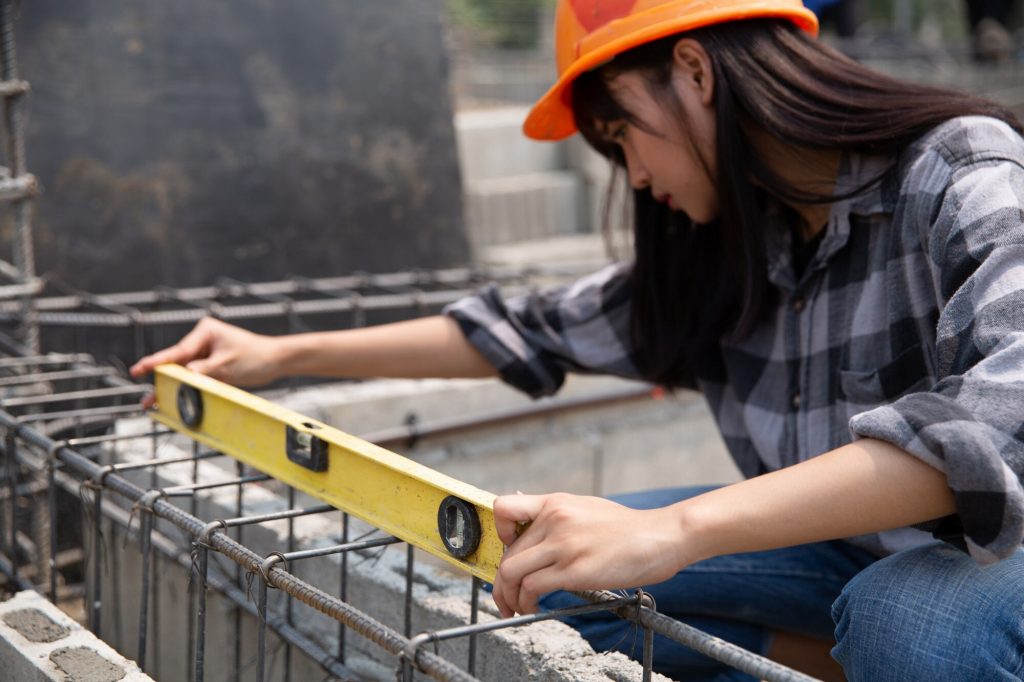
There is currently a push to attract more women to the construction industry. Currently, only four per cent of apprentices are female. In addition, construction needs to be made a more appealing pathway for those leaving school. The number of school leavers studying trades has plummeted in the last few years. Between 2021 and 2023, the number of students studying building and construction at TAFE in New South Wales dropped by 28 per cent, according to the National Centre For Vocational Education. Addressing this issue will help increase the future supply of construction workers.
Another solution is to use the current workforce more efficiently. For example, more prefabricated homes, which require less labour, could be built. This would increase productivity and require fewer workers.
Additionally, construction workers could be reallocated from major government infrastructure projects to residential builds.

While the need for more houses isn’t disputed, it relies on an extensive workforce of construction workers. Finding enough workers is a challenge that will need to be addressed.Construction Resumes can help you achieve your career goals in the construction industry. We are pleased to offer various services including our resume and cover letter writing service.