
Safety in construction: What are the risks and how to reduce them
- November 25, 2024
- Posted by: construction
- Category: Resume News
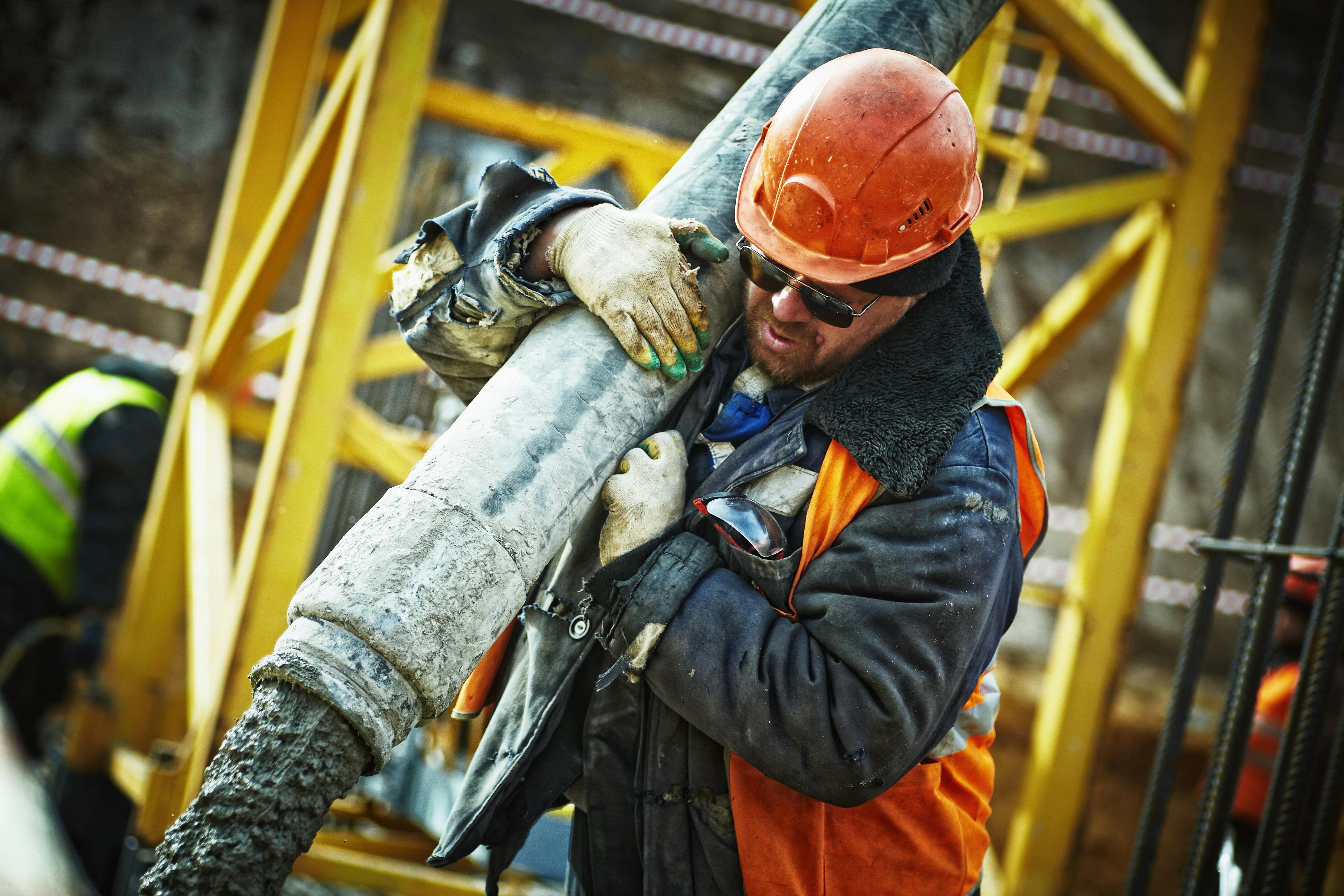
All workers have the right to be safe at work. However, studies show that construction can be a dangerous industry.
The construction industry has higher rates of workplace accidents than the national average.
In 2023, the construction industry witnessed a tragic increase in the number of deaths, with 45 workers losing their lives in construction-related incidents, a significant rise from the five-year average of 33.
The impact of workplace accidents is not limited to fatalities. In 2022/23, there were over 16,000 serious workers’ compensation claims.
So, what are the most common incidents, and how can we reduce the risk?
What are the most common types of workplace accidents?
Being hit by a moving object is the most common cause of death for construction workers. Falls, slips and trips are the next most common causes of death.
Factors that increase the likelihood of workplace accidents
There are several factors that can increase the risk of workplace accidents. These include:
• Unrealistic deadlines: These can cause workers to rush and cut corners to get the job done on time
• Shortage of skilled labour: In recent years, there has been a significant shortage of skilled labour in many areas of the construction industry. As a result, some construction workers may be performing tasks that they are not qualified to do.
• Fear of speaking up: Some workers are afraid to speak up about safety concerns. Instead, workplaces should encourage workers to speak up if they feel concerned about issues relating to safety.
• Inadequate risk assessment of human factors: Risk assessments may fail to take into account things such as fatigue, stress and cognitive overload, all of which can lead to errors and unsafe practices on site.
• Rushed training programs: This can lead to an inadequate understanding of safety protocols.
• Day of the week: Statistics show that workplace accidents are far more likely to occur on a Monday. This is because new projects often start on a Monday, which can lead to unfamiliar risks. In addition, workers may get poor-quality sleep on a Sunday night, increasing their cognitive impairment on a Monday. Factors such as weather can also alter site conditions over the weekend, creating new hazards.
What can be done to address this?
• Implement technology: Technology can be used as a tool to monitor and improve workplace safety. For example, wearable sensors on a smartphone or watch can track workers’ body postures. This could help detect unsafe lifting practices, excessive bending or awkward positions. Artificial intelligence can also be used to monitor workers and identify any unsafe practices
• Improve culture: Safety must be seen as a core workplace responsibility, shared by workers, supervisors and employers.
• Be proactive: Steps should be taken to avoid accidents at all costs. Measures to improve safety should be put in place to prevent accidents rather than be implemented after accidents have already occurred. All workplaces should aim for zero deaths from workplace injuries. Accidents resulting in injury or death should not be dismissed as mishaps. They should be used as an opportunity to address systemic failures.
• Increase awareness: Workers should be educated about the risks involved in their work and how to reduce them. They should also know about the costs (including financial) of workplace accidents.
All workers deserve to arrive home safely every day. Therefore, safety must be a priority on all worksites.
Are you looking for a new career? Construction Resumes can help. We are pleased to offer various services including our resume and cover letter writing service.
Article References
Haghani, M (November 25 2024) ‘Why Monday is the most dangerous day on a building site’, The Conversation, accessed November 25 2024.