
Affordable Housing in Australia: Are Housing Pods the Solution?
- February 12, 2026
- Posted by: construction
- Category: Resume News
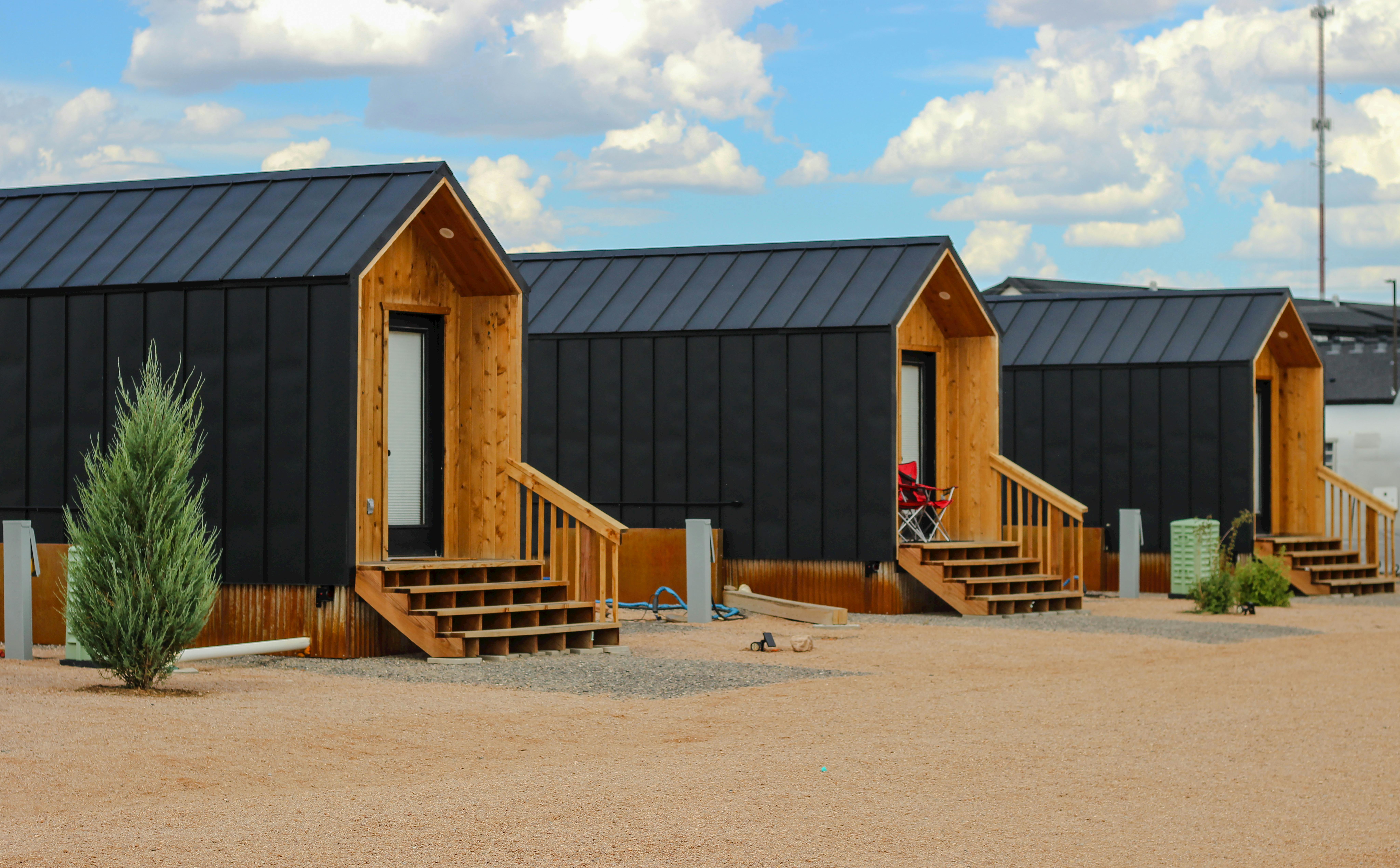
Australia’s housing crisis has prompted growing interest in alternative building methods. Now, Bunnings has expanded its range to include compact flat-pack dwellings. These can be assembled in just days, with prices starting from around $26,000.
At first glance, the price tag appears to offer an affordable housing solution in a market where construction costs continue to rise.
It comes as consumers express increasing interest in faster, lower-cost housing options.
However, while these structures may provide convenience for families seeking extra space, experts say they are not a long-term housing solution for most Australians.
So, what are the issues — and are there alternative solutions that could make a meaningful dent in the housing shortage?
What are the issues?
Experts say the pods are unlikely to function as permanent homes for families. Instead, they are better suited as offices, studios or guest rooms. While the concept is appealing, there are several practical concerns to consider.
Temporary in nature
Their size, layout and fit-out reflect short-term or secondary use rather than long-term residential living. Storage space is often limited, insulation standards may vary, and internal layouts may not suit families.
In many areas, these pods are treated as ancillary structures rather than full dwellings, meaning they may not meet the same building standards required for permanent homes. This can raise questions about durability, compliance and long-term suitability.
Hidden extra costs
While the $26,000 price tag appears affordable, it typically does not include site preparation, ground works, foundations, utility connections or compliance costs.
Depending on the block, buyers may need electrical connections, plumbing, drainage solutions or upgraded access. These expenses can significantly increase the final price — sometimes well beyond the advertised figure.
Transport and installation costs may also apply, particularly for regional or hard-to-access locations.
Access to land
Buyers must have somewhere to place the pod. This means either owning land or having permission to use someone else’s property.
Depending on the location and intended use, permits and council approvals may still be required. Zoning restrictions, minimum dwelling size rules and occupancy regulations can all add complexity — and delays.
What is the solution?
While pods themselves are not the answer, prefabricated homes built in factories are widely seen as one way to increase housing supply in Australia.
The prefabricated housing sector is currently valued at around $12 billion and is expected to grow by almost 8 per cent a year. Supporters argue factory-built homes can be delivered far more quickly than traditional detached dwellings, which can take more than a year to complete.
Unlike backyard pods, factory-built homes can be produced at scale. When manufacturing volumes increase, costs can fall and delivery times can shorten.
However, unlocking this potential would require significantly greater investment in factory-based building capacity. Land reform and faster planning approvals are also widely viewed as part of the broader solution.
The broader shift toward factory-built housing highlights how the construction industry is evolving. As governments and major retailers explore alternative building methods, demand is likely to grow for workers with experience in modular construction, off-site manufacturing and large-scale housing delivery. For tradies and construction professionals, understanding where the industry is heading can help position you for emerging opportunities.
Are you looking for a new career? Construction Resumes can help. We are pleased to offer various services including our resume writing service and cover letter writing service.
Article References
Hedgman, A (5 February 2026) ‘Bunnings launches $26k flat-pack backyard pods as Australia’s housing crisis deepens’, News.com.au, accessed 12 February 2026.
Noroozinejad, E (9 February 2026) ‘Backyard pods won’t fix the housing crisis but they signal a shift’, ABC News, accessed 12 February 2026.