
Automation in mining is reshaping jobs and safety
- April 20, 2026
- Posted by: construction
- Category: Resume News
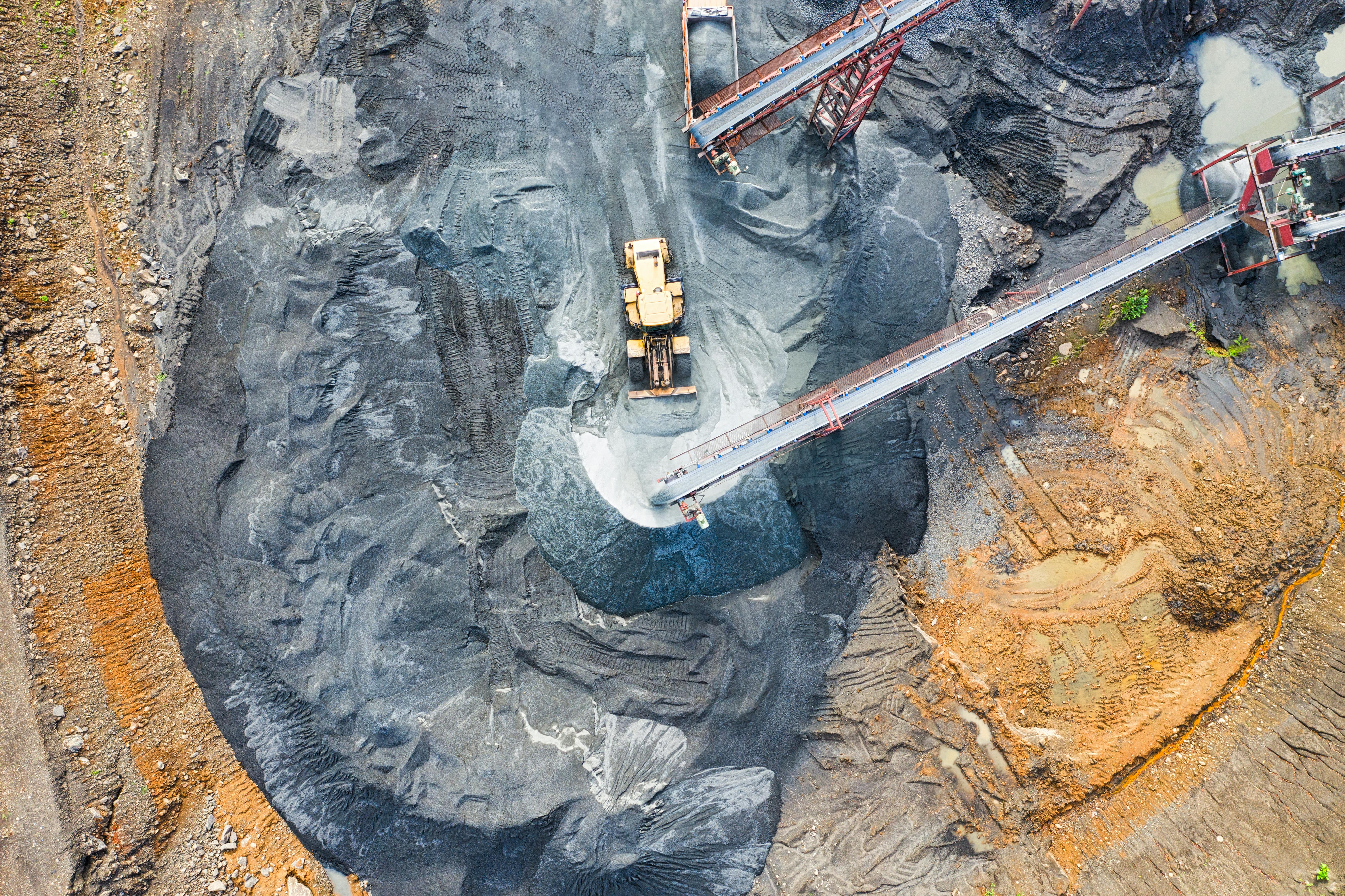
Automation is growing at Australia’s biggest gold mine. Open cut pits at Boddington Gold Mine south of Perth are now largely empty of staff.
In a control room kilometres away staff sit behind screens keeping the mine operating and the gold moving using what looks like gaming controllers.
Automation is not limited to trucks and machinery. The increased use of drones for surveying and site inspections is also changing how work is carried out. This reduces the need for workers to enter potentially hazardous areas while also requiring new technical skills.
It’s part of a wider trend. The nation’s biggest mining companies Fortescue, Rio Tinto and BHP have all adopted automation to varying degrees. The trend is only expected to continue with the CSIRO predicting half of Australia’s mining operations will be fully automated.
So, what are the benefits and challenges and what does this mean for workers?
Benefits of automation
Enhanced safety
By placing fewer people in the mine, many safety risks can be reduced. Limiting the number of workers around moving equipment helps minimise exposure to potentially hazardous environments.
Automation is also improving safety through the increased use of drones. Drones can be used to inspect areas that may be unsafe for workers to access, such as tailings dams or pit walls. It is estimated that BHP conducts nearly 20 drone flights a day at its Western Australian iron ore sites for safety inspections.
Enhanced productivity and reduced cost
The use of technology such as drones is also improving construction productivity, with tasks that once took days now able to be completed in a matter of hours.
Fortescue is also trialling automation to install solar panels across the Pilbara at a pace that humans cannot match.
By increasing efficiency, these systems can help reduce costs across the industry.
Challenges of automation
Safety risks
However, while automation reduces some safety risks, it also introduces new challenges. Although fewer workers are present on site, some still remain. With large machinery operating autonomously, systems must be highly reliable to avoid potentially serious consequences.
Implementation
Due to their often remote locations, mine sites can present challenges when implementing automation. Issues such as cybersecurity risks and ensuring different systems can work together effectively remain ongoing concerns. As mines rely more heavily on connected technologies, any disruption or breakdown in communication between systems can impact both safety and productivity.
What does this mean for workers?
As technology evolves, workers will require further training. Experts say it is essential that mining workers upgrade their skills, with some successfully transitioning into roles such as operating equipment remotely or working in control rooms, while others have found the shift more challenging. Tasks that were once manual are now being carried out using drones, 3D modelling and digital systems, highlighting the growing importance of technical capability in the industry.
As roles continue to change, it is important that workers not only build these skills but also present them effectively in job applications. A well-structured resume and cover letter can help highlight your experience and demonstrate your ability to adapt in a changing industry.
Are you looking for a career in mining or construction? Construction Resumes can help. We are pleased to offer various services including our resume writing service and cover letter writing service.
Article References
Brissenden, N (19 April 2026) ‘Automation is growing at Australia’s biggest gold mine — but at what cost?’, ABC News, accessed 20 April 2026
Evans, S (19 May 2025) ‘Automation: how smart tools are reshaping Australian mining’, Mining Technology, accessed 20 April 2026