
New housing supply Australia: will rising costs slow construction?
- March 13, 2026
- Posted by: construction
- Category: Resume News
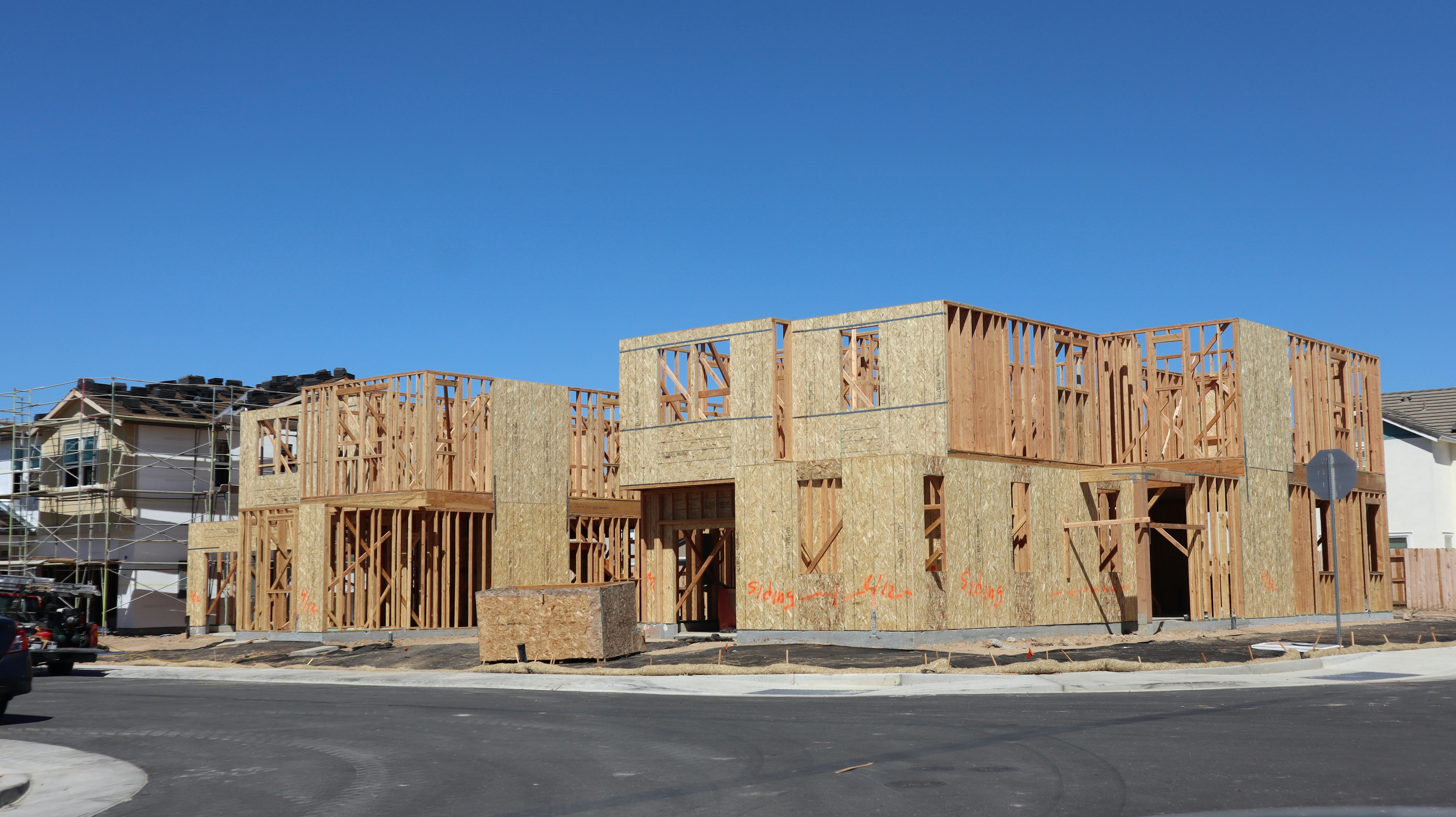
For many Australians, house and land packages are seen as the closest solution to affordable housing. Compared with apartments in inner-city areas, these developments have long provided a more attainable pathway into the property market. However, this part of the housing sector is now coming under threat from rising interest rates, weaker consumer sentiment and volatile fuel prices.
So, just how big an issue is this?
What’s driving the concern?
In the past month, Australia has experienced higher inflation and growing expectations of further interest rate rises. The war in Iran has also increased concerns about higher fuel prices. However, so far the effects have not been felt in the Australian housing market.
House approvals rose for a third straight month. This brings total detached dwelling approvals over the past twelve months to 114,351.
With the majority of people unable to pay the prices needed to justify new apartment projects, detached houses on greenfield sites have become the most affordable form of housing to buy.
Despite this, economists have warned that higher interest rates and cost-of-living pressures will affect budget-conscious buyers of house and land packages.
They say the effects of deteriorating economic conditions will not be felt immediately. Many analysts are tipping an interest rate rise in May. However, the impact on the housing market may not become clear until next year.
Over the longer term, downsizers who already own homes and bought premium off-the-plan apartments are largely unaffected by higher interest rates. In some cases, they may even benefit if they have money in term deposits. However, buyers of mid-market housing are more likely to feel the impact.
How severe will the impact be?
However, Australia’s current housing shortage is likely to limit the impact of economic instability to some extent. It is estimated that the country is currently short of around 150,000 homes. The federal government has set an ambitious target to build 1.2 million new homes by 2029. However, it is looking increasingly unlikely that this target will be met.
According to Metricon chief executive Brad Duggan, this level of demand makes the market somewhat resilient to cost-of-living pressures and interest rate rises.
“Cost-of-living pressures and interest rate movements can influence buyer sentiment in the short term, but demand for more attainable housing options like house-and-land packages in great master planned communities remains very resilient,” he said.
History also shows that during times of economic uncertainty the property market can be remarkably resilient. This is because investors often move away from volatile assets and towards tangible, income-producing assets.
However, while demand for housing remains strong, economic uncertainty and shifting market conditions can still influence activity across the construction sector. Australia’s ongoing housing shortage means there is continued demand for new residential developments, particularly house-and-land projects in growing communities. Delivering these homes requires a wide range of skilled professionals, from builders and tradespeople to project managers and site supervisors. For job seekers looking to enter the construction sector or advance their careers, presenting a strong and professional job application can therefore make a significant difference in a competitive market.
Are you looking for a new career? Construction Resumes can help. We are pleased to offer various services including our resume writing service and cover letter writing service.
Article References
Bleby, M (4 March 2026) ‘Inflation, oil, confidence to hit home-building, developer warns’, Financial Review, accessed 13 March 2026.
Fitzgerald, J (10 March 2026) ‘Amid 50 years of crises, Australian property prices power on’, Australian Property Investor, accessed 13 March 2026.