
Rising copper prices put pressure on Australia’s construction sector
- February 26, 2026
- Posted by: construction
- Category: Resume News
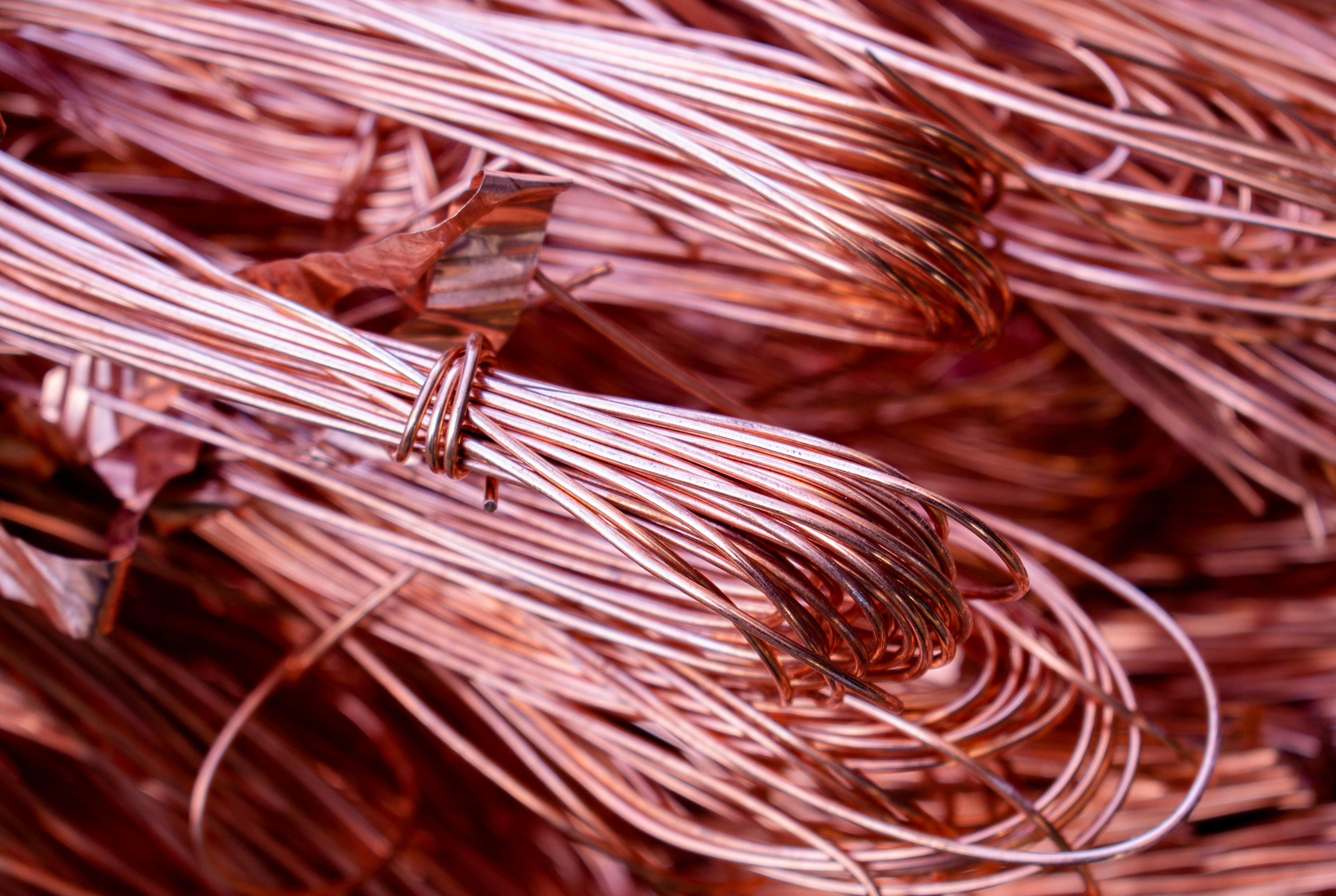
Copper prices have surged to four times the inflation rate, placing renewed pressure on Australia’s construction sector. The warning comes as housing approvals and commencements have lifted in the post-Covid recovery. Despite this, housing completions have failed to keep pace. This creates a widening gap between what is approved, what is started and what is ultimately delivered.
With the federal government pushing ambitious housing targets and infrastructure demand remaining strong, rising input costs are becoming a major obstacle.
So, what’s behind the sharp increase in copper prices — and what does it mean for builders, developers and trades?
What’s behind the rising price of copper?
Copper prices have increased by more than 16 per cent year on year. Copper is now surpassing US$13,000 per tonne.
The surge has been driven by growing demand from electrification, expanding data centres and the global transition to renewable energy. Unlike materials such as timber or steel, copper cannot easily be substituted once construction is underway. It is typically installed in the later stages of a project — particularly across electrical, plumbing and mechanical trades. This leaves developers exposed to rising prices and allows them limited flexibility to manage escalating costs.
Global demand for copper is forecast to increase from 28 million tonnes in 2024 to 42 million tonnes by 2040. At the same time, annual supply deficits could reach 10 million tonnes. This is roughly 25 per cent below projected demand. Further electrical cable price rises are also expected this year, adding to pressure across the construction supply chain.
What is the impact?
In some cases, rising copper prices are adding six-figure sums to the cost of individual projects. Copper is not the only material under pressure, with concrete prices also continuing to climb. This has created a growing headache for the construction sector.
Experts warn that this scale of cost escalation is rendering many projects financially unviable. Many builders remain locked into fixed-price contracts signed before material costs surged. This leaves them unable to pass on increased material costs. Smaller subcontractors are particularly exposed, often operating on tight margins and limited cash reserves.
As profitability declines, insolvencies across the construction industry have risen sharply, with more than 1,900 recorded in the first half of the year alone.
Looking ahead, cost pressures are expected to remain elevated in Queensland as major infrastructure projects escalate in the lead-up to the Brisbane Olympics. In contrast, escalation has begun to ease in Sydney and Melbourne. However, experts caution that this apparent cooling reflects weaker construction pipelines and fewer major project commencements, rather than a genuine return to market stability.
Despite this cooling, cost escalation remains elevated compared to pre-pandemic conditions, and meaningful relief is not expected until at least 2028.
At a time when material costs remain volatile and project margins are under pressure, builders and tradespeople are facing an increasingly complex operating environment. For many workers, this uncertainty is prompting broader career questions. Many are considering seeking more stable employment, moving into larger firms with stronger pipelines, or positioning themselves for leadership roles as the industry adjusts to ongoing supply constraints.
Are you considering your next move? Having a strong, professionally written resume can help you stand out in a competitive market. Construction Resumes can assist with tailored resume writing and cover letter writing services designed specifically for construction professionals at all levels.
Article References
Build Australia (23 February 2026) ‘Australia’s construction industry urged to prepare for copper price shock’, Build Australia, accessed 26 February 2026.
Foster, S (31 January 2020) ‘Fresh warning as build prices soar off 16.5pc copper spike’, News.com.au, accessed 26 February 2026.