
Cyclone Alfred puts Cyclone Building Standards Under Scrutiny
- May 12, 2025
- Posted by: construction
- Category: Resume News
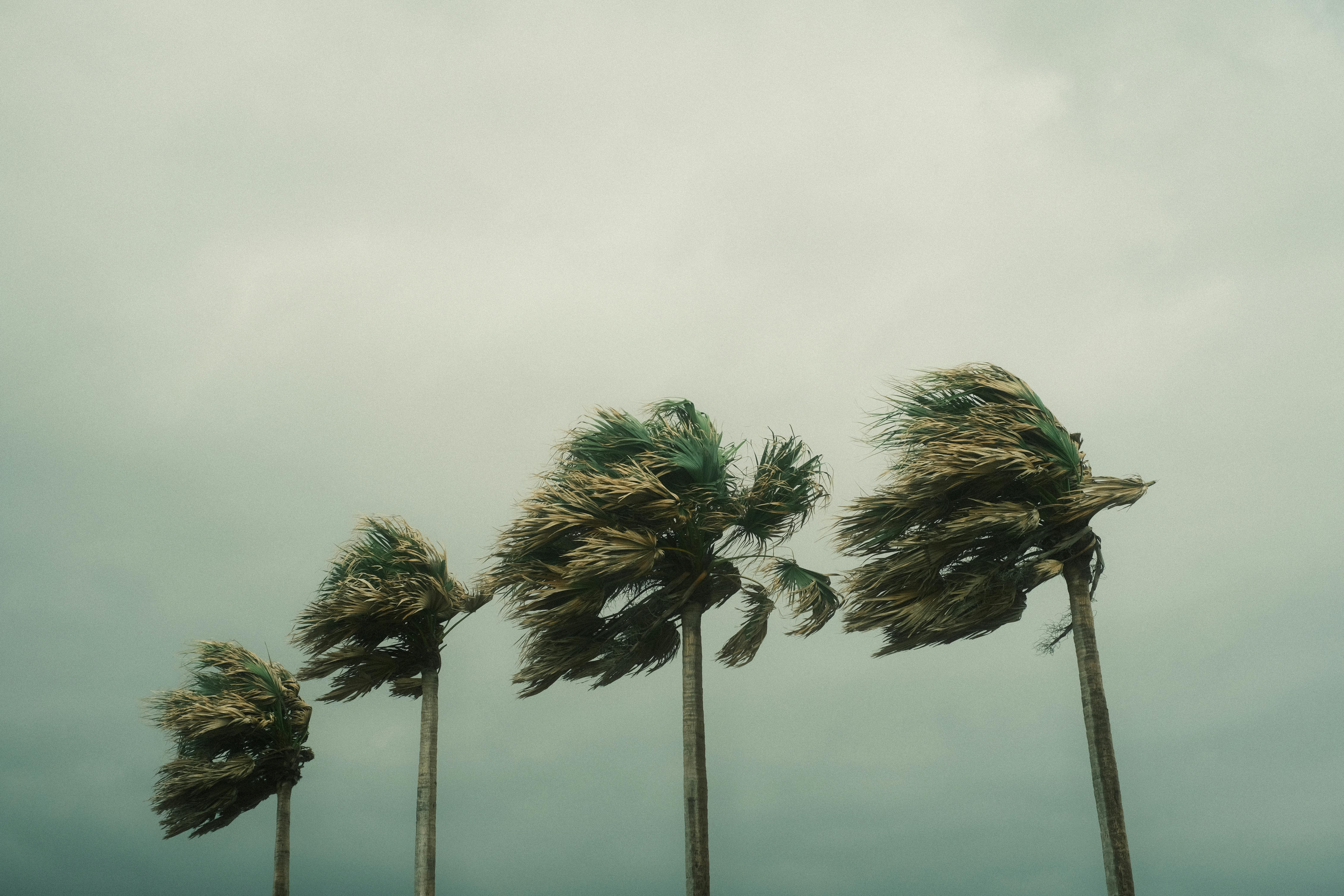
The effects of Cyclone Alfred were not as severe as first thought. However, it still caused significant disruption and damage to some buildings. The system was downgraded to a tropical low before making landfall on March 8. A new report has revealed how close Southeast Queensland and Northern New South Wales came to potential disaster.
Following the event, James Cook University and Natural Hazards Australia conducted a damage assessment to identify construction safety risks. The assessment found that many buildings in the area could only withstand weather slightly more severe than that experienced during Cyclone Alfred.
So, what lessons has the disaster taught us?
What are some of the concerns?
Paving
Pedestal mounted balcony pavers are an increasingly popular construction technique, especially in high-rise buildings. The technique involves elevating paving slabs to enable drainage. It is also used in high-rise buildings to allow the paving and supports to absorb movements in the structure
However, experts say they are vulnerable to strong winds. They warn the pavers could become dangerous projectiles in winds over 100 km p/h..
The pavers sit on plastic stands but aren’t attached to them. This means they can be lifted up in high winds.
During Cyclone Alfred, balcony pavers lifted from one building, breaking the glass balustrades and ending up on the street several floors below.
The report authors warned that if wind speeds were higher, potentially deadly debris would have been sent flying into other buildings.
Among the report’s recommendations was that pavers should be fixed in place. Queensland building standards should also be updated to ensure each paver is anchored to its building.
Waterproofing and power supply
The report reveals that waterproofing in many buildings needs improvement. It found that during Cyclone Alfred, water entered many buildings through roofs, closed windows, walls and basements.
Concrete walls should be waterproofed with external membranes to prevent water from soaking through. Standards should also be imposed on windows to prevent leakage during severe weather.
The glazing industry should be encouraged to incorporate simple features in the window design that control air movement through weep holes under differential pressures across windows.
The potential for basements to flood during severe weather events also means that pump systems may need to be run off backup power in the event of a failure of mains electricity. Having enough power to evacuate mobility-challenged residents using lifts is also essential.
The wake-up call we needed
David Henderson, is James Cook University’s chief Cyclone testing station engineer and co-authored the report. He said the weather event provided an opportunity to assess the region’s cyclone preparation, without too much damage being caused.
“One of the things that we want people to understand is that this was a great practice run in the event a stronger cyclone does eventually arrive in this area,” Dr Henderson told the ABC.
“It was a ‘near miss’ and we must work hard as a community not to be complacent and put in place what is needed to minimise damage in a future stronger event”.
With extreme weather events becoming increasingly common, it’s essential that Queensland building codes reflect the increased risk these pose.
Are you looking for a career in construction? Construction Resumes can help. We are pleased to offer various services including our resume writing service and selection criteria writing service.
Article References
Hammond, N (7 May 2025) ‘Ex-Tropical Cyclone Alfred a ‘practice run’ for future severe weather events, damage assessment finds’, ABC, accessed 12 May 2025.
Riley, R & Mulveney, M (7 May 2025) ‘Tropical Cyclone Alfred: Report finds lessons for building practices’, Courier Mail, accessed 12 May 2025.