
3D Printing In Construction: Is it the way of the future?
- March 17, 2025
- Posted by: construction
- Category: Resume News
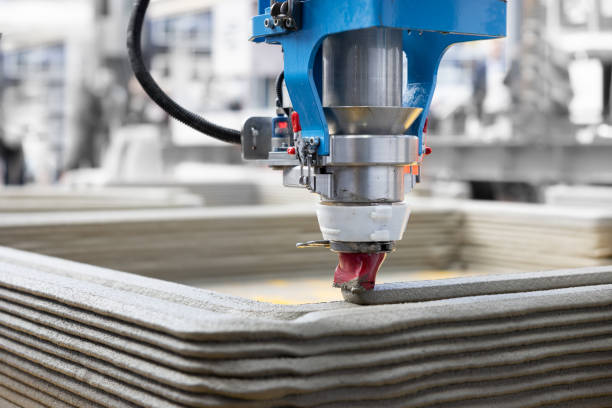
Is 3D printing the way of the future in construction? Many experts think so, believing it could help improve the productivity of construction without compromising quality.
So, how does the process work and what are the benefits?
How would the process work?
3D printing is a process that involves the creation of three-dimensional products using a computer, software and a 3D printer. Objects are created layer by layer, using a variety of materials, such as plastic, cement and glass
In the construction of a home, a 3D concrete printer would be deployed to create internal or external walls after the slab is poured and set.
he printer would be pre-programmed with the design of the house including where doors, windows and electrical entry points are required.
Moving back, forward, left, right and up and down, the printer pours the concrete, leaving a cavity in each wall for electricals and plumbing and creating a ribbed finish that can be retained or rendered.
Benefits of 3D Printing homes
According to experts, there are many benefits to using 3D printing in the construction of homes. These include:
• Quicker construction: Typically, a 3D printer could produce the wall structure for a two bedroom, two bathroom house in 72 hours. This could reduce the timeframe for building a new house to as little as six weeks.
• Address housing shortage: Australia is currently experiencing a severe shortage of affordable housing. Some experts see 3D printing as a potential solution due to its ability to accelerate construction timeframes.
• Design flexibility: 3D printing could make creative home designs more affordable. This is because designs can be altered simply by re-programming the printer, with little added time or cost.
• Reduced noise: A typical 3D concrete printer would make less noise than a vacuum cleaner when in operation.
• Enhanced sustainability: Studies suggest the 3D printing process is more environmentally friendly than traditional construction methods.
• Increasing construction in rural areas: The use of 3D printers in construction could be especially beneficial in regional areas. This is because they could reduce the high costs associated with material freight and a shortage of skilled labour.
Challenges of 3D printing in construction
The widespread adoption of 3D printing processes in housing construction in Australia would not be without its challenges. These include:
• Scaling up the technology: Significant work would be needed to scale up 3D printing of homes in Australia. For example, large-scale supply chains would need to be established.
• Significant financial investment: A Significant investment would be required to scale up the industry. Some 3D printers can cost as much as $3 million.
• Technology must be adaptable: Technology used to facilitate larger scale must also be adaptable. This would allow design, cost and engineering to be considered while printing.
>>>Experts caution the rise of 3D printing will not completely address the severe shortage of construction workers that Australia is currently experiencing. Plumbers and electricians will still be needed to fit out new properties, ensuring ongoing demand for skilled tradespeople.
While 3D printing is no silver bullet, it could significantly ease many construction challenges. With demand for experienced skilled tradespeople set to remain high, now could be the perfect time to enter the construction industry.
Construction Resumes can help you stand out. We are pleased to offer professional resume writing and selection criteria writing services.
Article References
Murphy, H (22 September 2024) ‘The world’s biggest 3D housing neighbourhood just opened. What can Australia learn?’, ABC, accessed 17 March 2025.
Jenkins, P (26 January 2025) ‘3D printing technology can provide a six-week fix to help solve the housing crisis’, Daily Telegraph, accessed 17 March 2025.