
Do Australian building codes reflect our changing climate?
- March 13, 2025
- Posted by: construction
- Category: Resume News
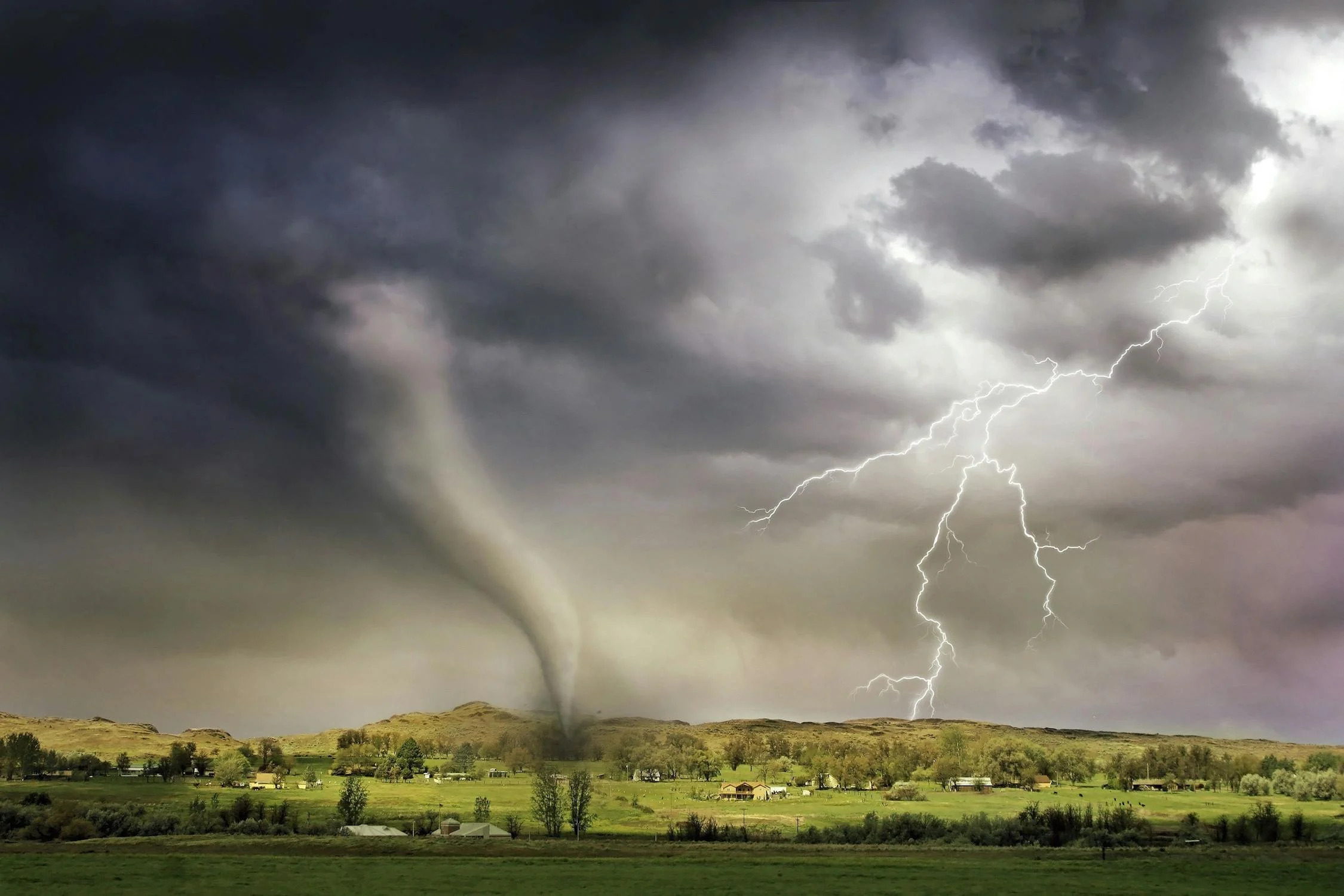
We know natural disasters are becoming more frequent in Australia. But are we doing enough to protect our homes? Last week, Cyclone Alfred made landfall in South East Queensland. Though its effects were not as severe as many first thought, it has put this issue back into the spotlight. In this article, we explore how building regulations can help protect our homes against Australia’s changing climate.
How our changing climate is putting homes at risk.
Until recently, many had considered a cyclone making landfall in southeast Queensland a remote possibility. However, experts warn that changing climatic conditions are making events like this more likely to occur. Davina Rooney, Chief Executive of the Green Building Council of Australia, warns this increasingly puts homes at risk.
“It’s been 50 years since an event like this has struck Brisbane, but science shows that a changing climate will push cyclones further south and into highly populated areas like south-east Queensland and NSW – more homes than ever are in their path and at risk,” Ms Rooney told The Financial Review.
What role does building design play?
Typically, homes in Southeast Queensland are built to withstand severe storms and flooding. However, they are less resilient to cyclones than their North Queensland counterparts. This is due largely to the fact tropical cyclones haven’t been a regular occurrence in the region.
Modern design trends are only exacerbating the issue. Many modern homes feature open-plan and indoor-outdoor living areas with large windows and floor-to-ceiling glass. This, combined with lightweight materials like polystyrene bricks, makes homes more vulnerable to storm damage.
The role of building codes
Ms Rooney argued that regular updates to the National Construction Code are essential for improving home resilience. This will help reduce costs associated with disaster recovery and ensure communities are better prepared for disasters.
It’s a sentiment that is shared by the Insurance Council Of Australia. They warn that while protecting life is the main priority, building codes should also ensure buildings can withstand extreme weather.
“Currently, minimum building standards in Australia are designed to preserve life in catastrophic event, but they are not designed with the goal of also preserving the property itself,’’ a spokesperson told The Australian.
“Currently (houses) cannot withstand the worsening extreme weather events of today, let alone the future.”
Some experts argue that building codes in Southeast Queensland should be updated to more closely reflect those in the northern half of the state. According to building regulations, homes in Far North Queensland must be able to withstand a category 5 cyclone, including features such as:
• Strong structural framework
• Cyclone-resistant roofing
• Impact-resistant windows and doors
• Reinforced concrete
• cyclone shutters, laminated glass, or reinforced roller doors.
Some improvements have already been implemented. Five years ago, new regulations required homes in Brisbane and Toowoomba to withstand winds up to 200 km/p/h.
Finding the right balance
Construction costs in Australia are currently at record highs. Meanwhile, the country is presently suffering from a severe shortage of affordable housing. These factors need to be taken into consideration when deciding on any additional building regulations.
”We’ve already got serious issues with the delivery of houses due to the cost of construction, which has gone through the roof in the last few years, so adding more legislation would make things more difficult” Brisbane architect John Lea told the Financial Review.
“I think legislating it and changing the building code, I think would be a difficult task.”
As Australia’s climate evolves, experts say our building practices need to adapt in response.
Are you looking for a new career? Construction Resumes can help. We are pleased to offer various services including our professional cover letter and resume writing service.
Article References
Bita, N, Ironside, R & Jakes, E (5 March 2025) ‘Insurers warn building flaws will leave homes at risk of cyclone damage’, The Australian, accessed 13 March 2025.
Sweeney, N (7 March 2025) ‘Changes to building codes urged as extreme weather hits more often’, Financial Review, accessed 13 March 2025.