
What’s behind a rise in industrial action in the construction industry
- December 17, 2024
- Posted by: construction
- Category: Resume News
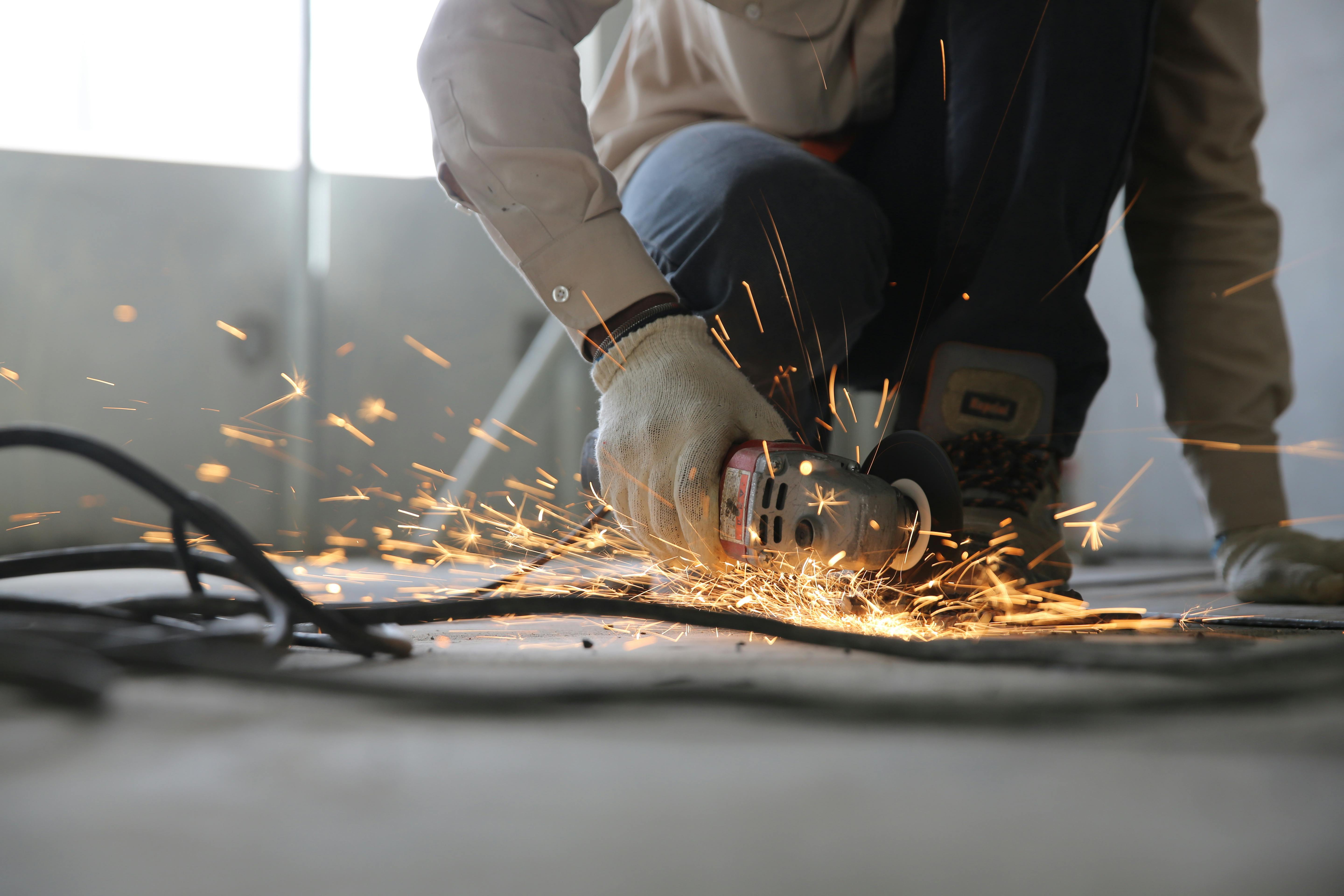
The Australian construction industry is currently experiencing its highest level of industrial action in over a decade. According to the Australian Bureau of Statistics (ABS), 27,500 working days were lost in the September quarter of 2023 due to industrial action. Notably, 59% of all days lost to industrial disputes occurred within the construction sector. This figure represents more than three times the amount recorded in the June quarter and marks the most significant level of industrial action since 2012.
So, what has led to this increase, and what can be done about it?
What Has Led to This Increase?
Earlier this year, the Federal Government decided to place the Construction, Forestry, Maritime, Employees Union (CFMEU) into administration after a media investigation revealed its links to organised crime. This decision has resulted in widespread industrial action by members of the union.
In addition, since being elected in 2022, the government has also introduced several changes to industrial relations legislation including:
- Same Job, Same Pay Legislation: The government introduced legislation enabling the Fair Work Commission to order that labour-hire workers receive the same pay as directly employed workers for performing the same job. While aimed at reducing wage disparities, some industry groups argue this change complicates employment flexibility.
- Multi-Employer Bargaining Agreements: New laws now allow unions and workers to negotiate agreements across multiple employers simultaneously. This change is intended to improve bargaining power for workers, but some critics believe it has empowered unions in ways that disrupt the construction industry.
- Abolition of the Australian Building and Construction Commission (ABCC): The ABCC was responsible for enforcing workplace laws in the construction sector. Its removal in 2022 was seen by some as reducing oversight and accountability, giving unions more leverage in negotiations and disputes.
The Coalition argues that these changes have contributed significantly to the recent spike in industrial action.
Impacts of the Increase in Industrial Action
The escalating industrial disputes have broad implications, not only for the construction industry but also for the wider economy and the general public.
According to Shaun Schmitke, Deputy CEO of Master Builders Australia, the impacts are far-reaching:
“In the middle of a housing and cost of living crisis, we need the industry to be working at its peak,” he said.
“Long and unnecessary industrial disputes lead to higher costs and longer wait times for much-needed housing and supporting infrastructure.”
Some of the specific impacts include:
• Delays in Construction Projects: Strikes and work stoppages slow down progress on critical infrastructure and housing projects, exacerbating the current housing supply crisis.
• Increased Construction Costs: Disputes often lead to higher project costs, which are ultimately passed on to clients and consumers.
• Reduced Industry Productivity: Prolonged disputes lower productivity levels across the industry, affecting businesses’ ability to complete projects on time and within budget.
What Can Be Done About It?
To address the rise in industrial action and its impacts, Master Builders Australia has proposed several measures:
- Reintroducing Industry-Specific Regulation: Master Builders advocates for establishing a Construction Industry Compliance and Corruption Agency. This body would oversee, investigate, and enforce compliance with workplace rules specific to the construction industry. Proponents believe such an agency could restore balance by preventing unlawful industrial action while ensuring fair treatment of workers.
- Limiting Pattern Bargaining: Pattern bargaining, where unions negotiate similar agreements across multiple employers, is seen by some as giving unions excessive leverage. Limiting this practice could reduce the risk of widespread industrial disputes affecting numerous projects simultaneously.
While protecting workers’ rights is essential, this must be balanced with the need to maintain productivity.
Have you considered a career in construction? The construction industry offers a wide range of career opportunities with competitive pay and conditions.
If you are considering a career in construction, Construction Resumes can help. We are pleased to offer various services including our construction selection criteria writing and LinkedIn profile writing service.
Article References
Armstrong, C (3 September 2024) ‘Coalition blames Labor’s IR changes for surge in days lost to industrial action since 2022’, Daily Telegraph, accessed 17 December 2024.
Master Builders Australia (11 December 2024) ‘Industrial disputes reach highest level in over a decade’, Master Builders Australia, accessed 17 December 2024.
Shields, P (12 December 2024) ‘ Master Builders call for construction industry watchdog as industrial disputes reach record highs’, Proactive Australia, accessed 17 December 2024.