
The workforce challenges of achieving Australia’s climate goals
- November 19, 2024
- Posted by: construction
- Category: Resume News
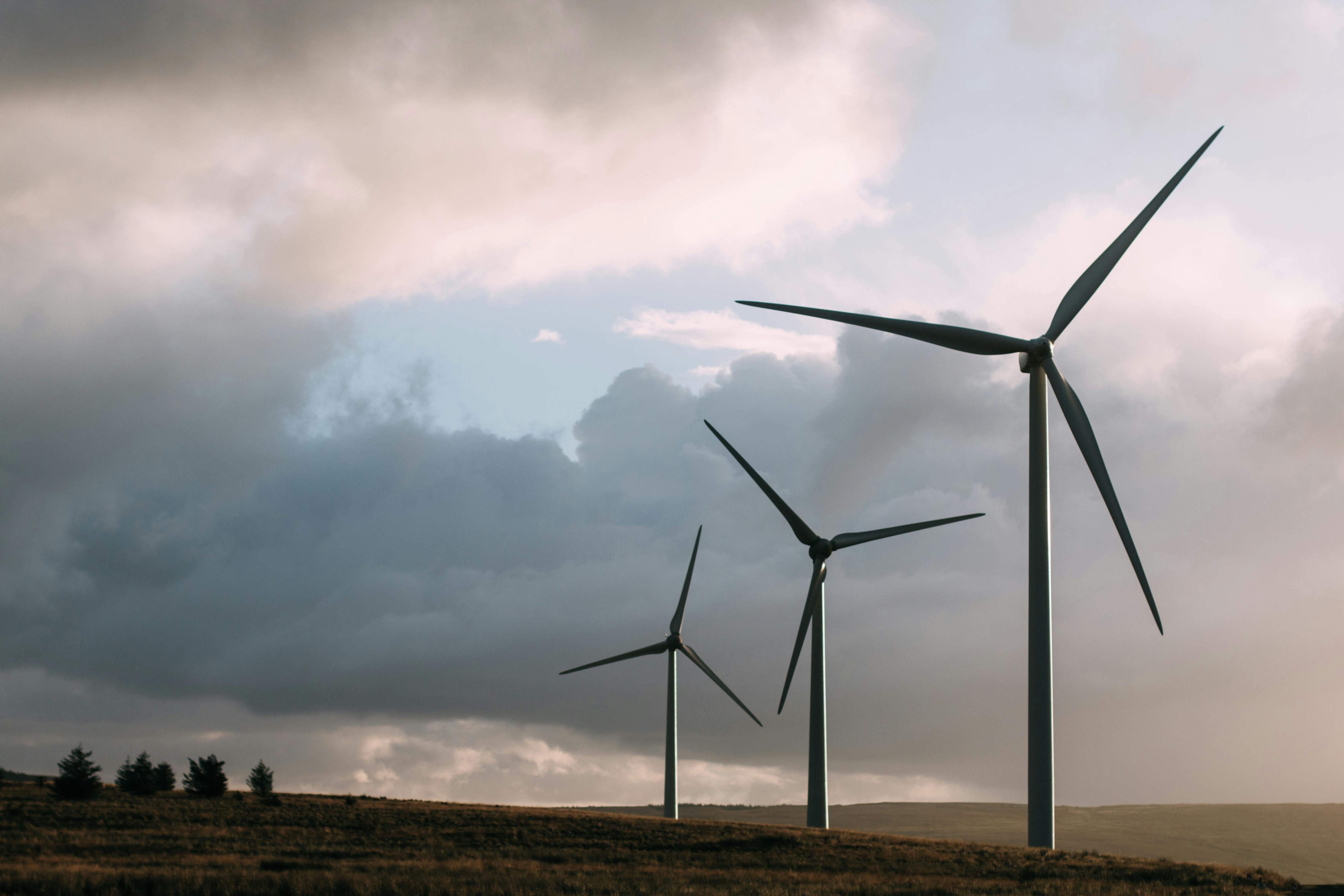
Like many other countries, Australia has set ambitious goals in a bid to tackle the impacts of climate change. The Federal Government has pledged to achieve net zero emissions by 2050 and to power 82% of our electricity grid with renewable energy by 2030.
But do we have the workforce to get there?
While transitioning our economy will present numerous economic opportunities, achieving these goals will be a significant challenge. It is estimated that 2 million workers will be required in the building and engineering trades by 2050 to achieve these goals.
This includes 53,000 to 84,000 more electricians.
However, finding these workers will be a significant challenge.
The labour supply of electricians is forecast to grow only slowly due to low tertiary completions and an older existing workforce. Therefore, there is likely to be a growing supply gap of electricians in Australia unless there is a significant increase in the number of completed electrical apprenticeships.
It is estimated that 20,500 apprentice electricians are needed each year from 2024 to 2030 to fulfil Australia’s workforce needs.
Australia is also experiencing significant shortages of architectural, building and surveying technicians, metal fitters and machinists, structural steel and welding trade workers, and chemical, gas, petroleum and power generation plant operators. All these play a vital role in the transition to net zero.
Workforce challenges
Filling the workforce shortages to achieve our climate goals presents several challenges. These include:
· Training required: Many of the workers required are in higher-skilled trades, for which training can take three or four years to complete. Therefore, addressing the workforce shortages will take time.
· Access to trainers: Growing our skilled workforce requires us to have enough VET trainers to train them. There are currently not enough VET trainers in Australia to accept a full cohort of electrical apprentices.
· International competition: Australia will rely on skilled migration to address these workforce shortages. However, we are competing with other countries who are also looking to decarbonise their economies.
· Remuneration: Workers in clean energy sectors are typically paid less than those in more established sectors.
· Location: Work is often undertaken in regional or remote parts of Australia away from significant sources of labour supply. In many cases, this means fly-in-fly-out work and short-term placements are required, which can make it difficult to attract apprentices.
Potential solutions
· Simplify recognition of foreign qualifications: A significant proportion of Australia’s clean energy workers received their highest qualification overseas. Some argue that Australia’s process for the recognition of foreign qualifications is too complex.
· Increase gender diversity: Attracting more women to the clean energy sector not only helps to address skills shortages but also brings diverse perspectives and talents to the industry.
· Increase cultural diversity: Attracting more workers from First Nations and multicultural backgrounds can help to address skills shortages in the industry.
· Education: We should also look to encourage more students to study STEM (Science, Technology, Education & Mathematics). Clear career pathways into the industry should be provided, with students educated about these.
· Incentives: Incentives and supports should be targeted to attract more apprentices
Have you ever considered a career in the construction industry? Australia’s transition to renewable energy provides endless opportunities for those looking to work in the construction industry.
If you are looking to work in the construction industry, Construction Resumes can help you achieve your career goals. We are pleased to offer various services, including our resume and selection criteria writing service.
Article References
Monaghan, T (25 July 2024) ‘Australia’s workforce shortage: A potential obstacle on the road to net zero‘, Australian Energy Council, accessed 21 October 2024.
Jobs & Skills Australia (n.d) ‘The clean energy generation: Workforce needs for a net zero economy’ Jobs & Skills Australia, accessed 21 October 2024.